
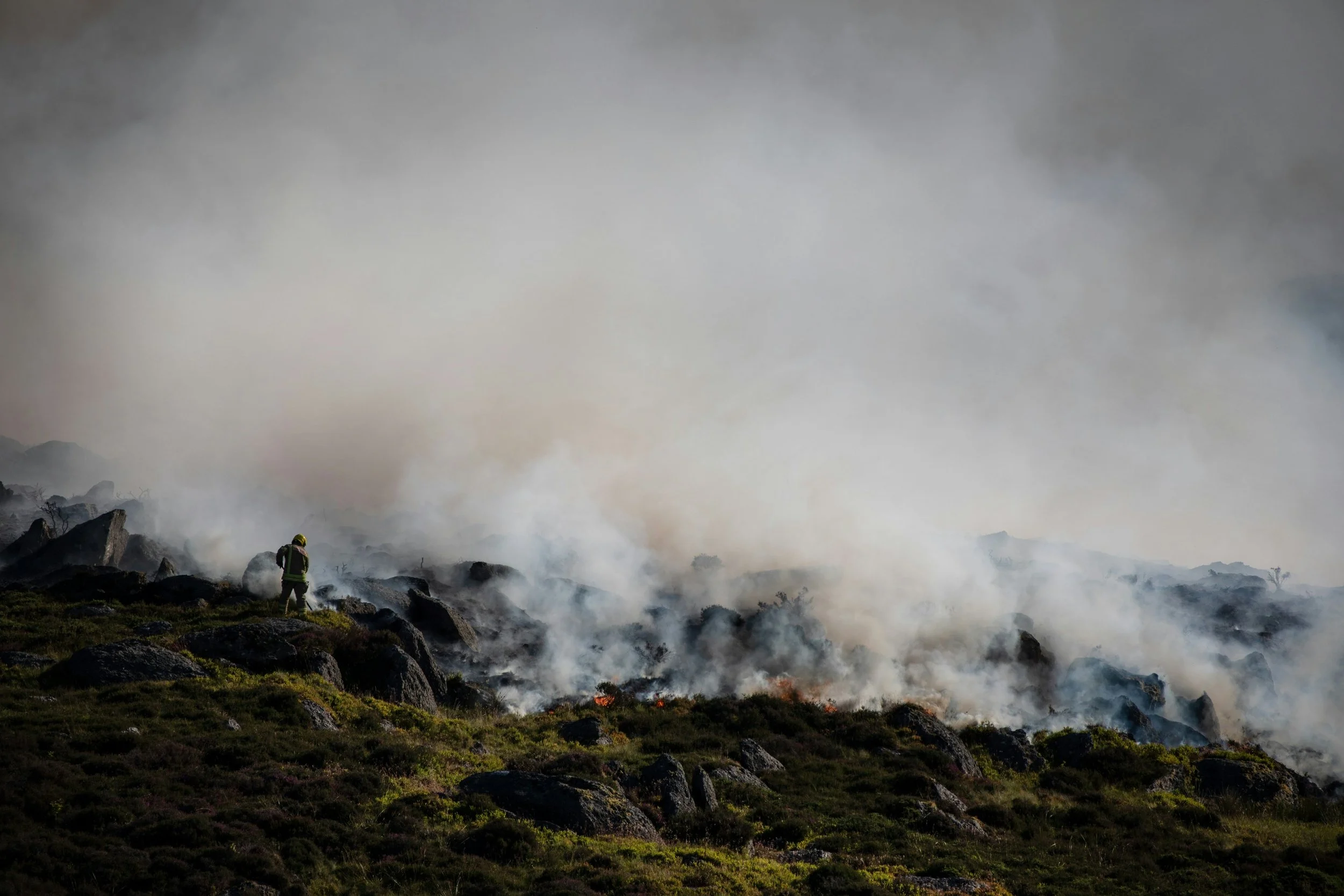
Photo by Neil Thomas on Unsplash
Deborah Doane
What a relief. The headline today that Burnham is appointing the world’s first special representative for climate security is something to be celebrated.
We know, even from the heavily redacted Joint Intelligence Committee report that our changing climate presents one of the most severe threats to our security than any other issue: resulting in food shortages, mass migration, energy shortages, and most worryingly, potential conflict between countries who hold nuclear weapons.
The signals are great, but the actions are lacking
As has already been pointed out (from Green Party leader Zack Polanski on the Today programme, to civil leaders pounding the pavement at the COP in Turkey), the signals are great, but the actions are somewhat lacking. Verdant raised the flag when the heat pump subsides were cut. And we questioned the Treasury’s budget for failing to factor in climate change. The government approved Jackdaw and rumours are that its sister, Rosebank, will also be approved.
Aside from banning some portable BBQ’s, there are very few signs – other than strong words – that have demonstrated that this government really understands the severity of the crisis we’re already in the midst of.
National security is a key progressive issue
On 24th November 2026, Verdant will launch our first report on national security policy. We wanted to address this issue when we started, knowing that this was a key issue for progressive voices to take on, and that it had to be more encompassing than simply spending more on subs, nukes and drones. We also wanted to include a range of voices and so recruited a panel on national security from the general public. And without giving away the full contents of our report, we already know that the public is deeply worried about our national security - including the climate aspects - and that they’re more than a few steps ahead of the government in proposing what should be done.
Recommendations
Aside from appointing a government Czar, there are many more actions that the Burnham government can take, even in the short-term (aside from keeping EV targets and reversing some bad decisions on heat pumps and oil drilling in the North sea): it can impose an Extreme Weather Levy on investors in fossil fuels to finance some of the adaptation costs we’ll face, whilst disincentivising investment in the toxic industry; create new mechanisms to help householders to transition to green energy; invest in transforming our food system to support farmers who are on the frontlines of climate change; give new powers and finance to devolved authorities to implement these things; and create a new mandate for the Bank of England, which will lower borrowing costs for investment in our green future. And as it hosts the G20 next year, the government should make climate change the centre of the talks, too. We know Ed Milliband ‘gets’ climate risk. But will he take the leadership on this with our allies? It’s not good enough to just say ‘this is important’ to a British audience. We have to make sure everyone around the world steps up, not back.
No time for being pragmatic
Twenty-five years ago, my colleague Andrew Simms at the New Economics Foundation produced a pamphlet calling for a war footing on climate change. Back then, the steps to take would have been much easier than they are now. But it doesn’t mean we should give up. And it certainly doesn’t mean we should slow down to be ‘pragmatic’ as our political leaders have suggested, including in this government. Being ‘pragmatic’ is what got us to this precipice in the first place.
I’m prepared to give Burnham the benefit of the doubt here, so well done for creating an important role to give advice on climate security. But if his government gives a pass on Rosebank or reduces EV targets, the gloves will be off. The Burnham legacy won’t have made us better off - it will have sacrificed our long-term survival for a few good headlines. That is as far from genuine security as you can get.