
Andy Burnham’s plans are missing one “essential of life”
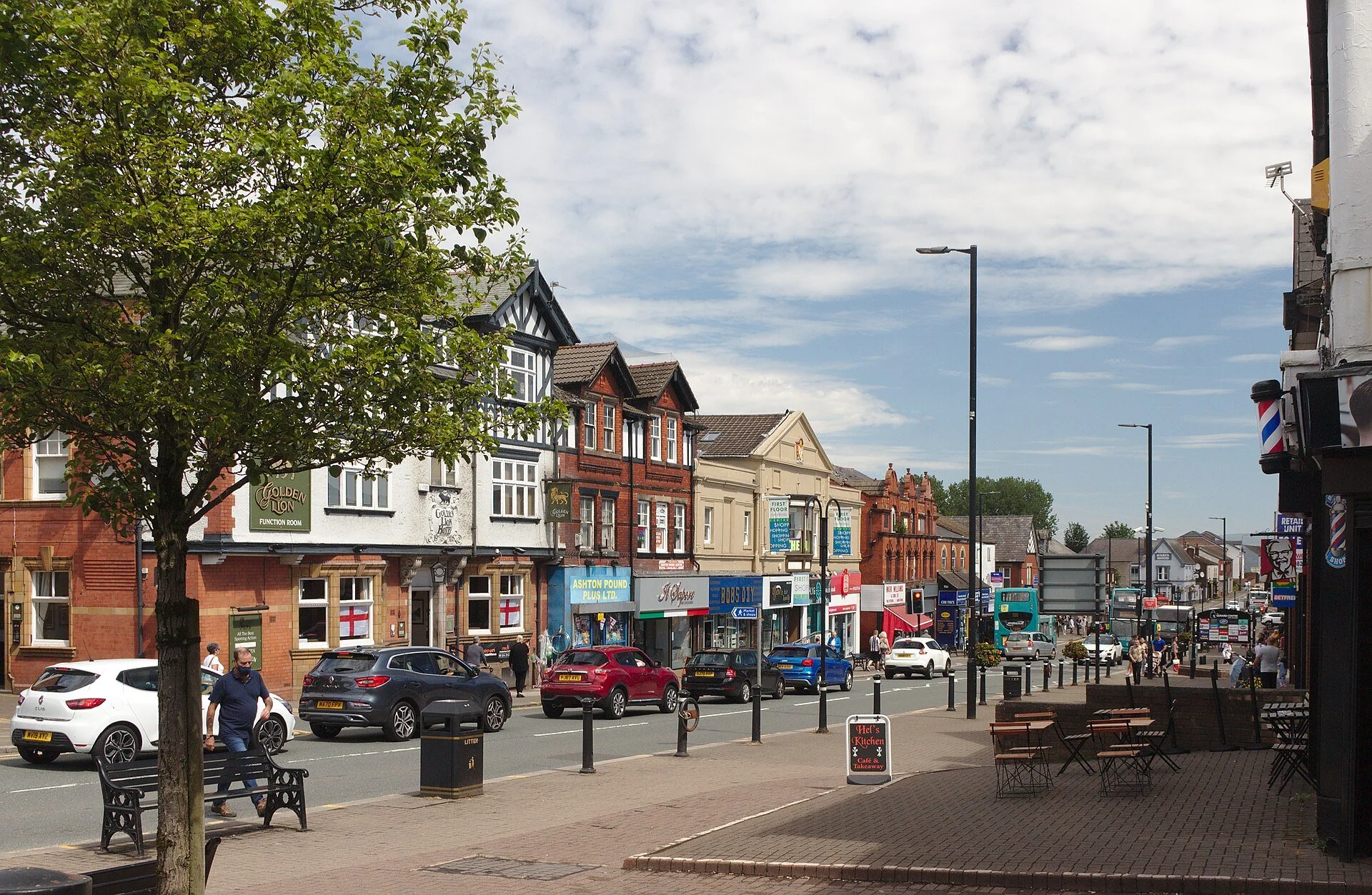
Ashton-in-Makerfield. Credit: Wikimedia.

James Meadway
Voters in Makerfield go to the polls tomorrow in what has become a cliché to report as the most consequential by-election in modern British history. Either current Mayor of Greater Manchester, Andy Burnham, wins, putting him on the fast track to Downing Street. Or Reform score another by-election win in a north-western former Labour stronghold.
Polling in Makerfield points to a Burnham victory, and perhaps even a comfortable one. The betting markets give him around an 80% chance of winning. Only Labour activists on the ground, knocking doors in the towns and villages across the constituency are less confident, thinking the race may well be tight – perhaps even falling to Reform.
But assuming Labour do win, what next? The Guardian last Sunday offered the most detailed account of Prime Minister Burnham’s plans, based on briefing from his team. But it also revealed two shortcomings – ones that Burnham shares with other would-be reformers.
The Guardian writes:
A decade-long project to bring water and energy into public control will lie at the heart of Andy Burnham’s agenda should he become prime minister, according to sources close to the Greater Manchester mayor.
Several close allies of Burnham have said he wants to take over broad swathes of UK utilities in an effort to improve performance and potentially reduce bills for consumers…
Burnham himself has said he wants to see “the essentials of life being run primarily for the public interest, not for the private interests”, but has not spelled out exactly what that would mean on a national scale.
Access to the “essentials of life” are at the centre of our economic malaise, at least as most people experience it. The cost of living crisis is primarily a crisis of affordability in the basic elements of life: housing; energy; and food. Average rents have risen above £1,000 in over half the country, up from only a quarter in 2020. In London, private renters are on average paying 49% of their income as rent. Ofgem has just announced a 13% rise in the cost of energy for the typical household, making typical bills 53% higher than they were in early 2022. Food prices have risen 38% since the pandemic.
At least for energy and food prices, major global shocks like the war in Ukraine, and now Iran, and the repeated impact of extreme weather events (plausibly linked to climate change) are the driver. But these supply shocks have also created extraordinary fortunes for some suppliers, like the fossil fuel companies once again enjoying record profits. Less well known, major agribusinesses have been profiting from repeated shocks to the supply of foods in recent years.
Climate change is also affecting our water supplies, with more frequent droughts and shortages alongside repeated floods. The fact that the privatised utilities have consistently failed to invest for many decades has left our water system worryingly exposed to the impacts of climate change, and the case for public ownership – rather than only “control”, as the Guardian reports – is clear, and popular. Only 44% of people think their water bill is “fair”, a record low in the Consumer Council for Water’s annual survey.
The repair job will take time. New housing can’t be built overnight. Fixing our energy and food systems to make them more resilient and less exposed to shocks will likewise take many years. And if bringing our water back into public “control” takes a decade, there will be few immediate benefits to most households.
This is Burnham’s biggest policy problem. His plans all work on years-long or even decades-long timetables. Should he win in Makerfield, and should he then make it to Number Ten, he will be arriving just as the effects of the Iran War and this year’s super-strength El Nino event begin to bite. The immediate impacts of the Iran War on energy prices have been less dramatic than originally feared, thanks to governments making use of their strategic reserves of oil around the world, China’s big efforts to reduce imports, and the rapid growth of renewable energy production.
But with one-third of the world’s fertiliser being transported through the blockaded Strait of Hormuz, the impacts on harvests and so on food supplies and prices will play out over a longer period of time. Combined with the expected very significant disruption to global weather systems from El Nino, food prices could start to rise sharply, perhaps as soon as autumn and then running out into next year. We will need to start on the huge project to reconstruct our food system, to reduce the impact of such events in the future. But, right now, we will need mechanisms to protect consumers and address profiteering.
It’s the one “essential of life” not mentioned in the Guardian piece nor, as far as I can tell, has Burnham himself referred directly to food costs and the food system as an issue in recent months. Whenever government has floated even mild action on food prices, either under Rishi Sunak or Keir Starmer, the reaction has been ferocious. Perhaps Burnham and his team hope to avoid a similar row. But they may well find themselves overtaken by a public demanding immediate action as their living standards take yet another wrench downwards.